
Right to adequate housing
This program goes beyond the simple notion of housing to encompass residential stability, dignity, and personal autonomy. It opposes the financialization of housing and treats it as a fundamental human right.
For the year 2026, under the Right to Adequate Housing program, no applications from the Montreal region will be accepted, in order to promote greater representation of organizations across the province of Quebec.
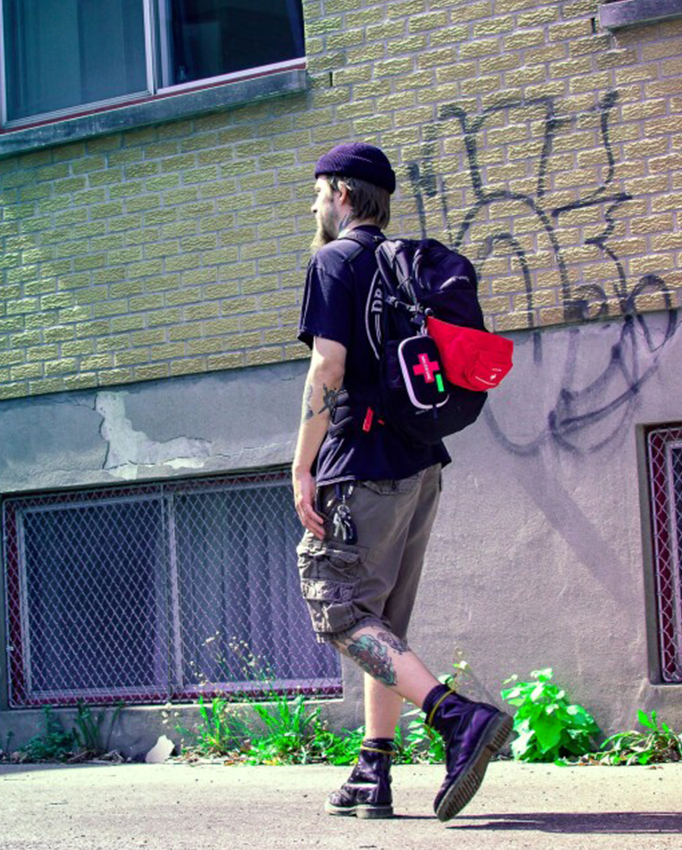

This program goes beyond the simple notion of housing to encompass residential stability, dignity, and personal autonomy. It opposes the financialization of housing and treats it as a fundamental human right.
For the year 2026, under the Right to Adequate Housing program, no applications from the Montreal region will be accepted, in order to promote greater representation of organizations across the province of Quebec.
Targeted issues
The financialization of housing, the state’s withdrawal from social housing, the stigmatization of tenants, and homelessness (visible and invisible).
Examples of supported action
Alternatives to the dominant model
Shelter resources, social and community housing.
Direct support and rights advocacy
Street outreach, tenant associations, support for the transition to adulthood, pre-employability, and popular education.
Creating safe spaces
Resources for women fleeing violence, adapted housing for LGBTQ2+ communities, and culturally safe spaces for Indigenous peoples.
Alternatives to the dominant model
Shelter resources, social and community housing.
Direct support and rights advocacy
Street outreach, tenant associations, support for the transition to adulthood, pre-employability, and popular education.
Creating safe spaces
Resources for women fleeing violence, adapted housing for LGBTQ2+ communities, and culturally safe spaces for Indigenous peoples.
APPLICATION ADMISSIBILITY

Eligibility
 Have an annual budget with revenues under $2 million, as indicated in financial statements. However, particular attention will be given to organizations with a budget of $1 million or less. Document the “community” nature of the organization. Follow submission procedures and provide required documents.
We do not fund
Religious or sectarian organizations. Organizations outside Quebec. Other foundations.Process
The 2026 process unfolds as follows:

Submission of a letter of intent (maximum 4 pages or maximum 4-minute video) accompanied by your letters patent, your latest Annual Report and your latest Financial Statements, before August 20.

If your initiative is selected, you will be invited to submit a full funding application before September 25.

A review visit by our volunteer review committee will take place during October and November.

Decisions made by the volunteer committee will be announced in December.

First payments will be made between December 2026 and January 2027.
Our review committee is made up of volunteer community representatives.
If you would like more information, we invite you to attend the webinars taking place in April, May, and June.
For more information
Jonathan Latreille-Chevalier
Program Manager, Quebec Grants and Partnerships
514 495-2424 ext. 155





Jules and Paul-Émile Léger Foundation
© 2019-2025 The Léger Foundation. All rights reserved.