
Support for quebec organizations
The call for proposals for 2026 is now closed. Interested organizations are invited to regularly consult our communications for upcoming application periods or to contact program managers directly.
Mission inclusion prioritizes support for organizations with limited access to traditional funding, particularly due to their size, community roots, innovative approach, or the politically sensitive nature of the issues they address.
We pay particular attention to organizations facing systemic barriers to funding access, such as:
 Emerging or grassroots groups
Organizations without core/mission funding
Collective or informal initiatives (with a fiscal sponsor, if required)


The call for proposals for 2026 is now closed. Interested organizations are invited to regularly consult our communications for upcoming application periods or to contact program managers directly.
Mission inclusion priorise le soutien à des organisations qui disposent d’un accès limité au financement traditionnel, notamment en raison de leur taille, de leur ancrage communautaire, de leur approche innovante ou du caractère politiquement sensible des enjeux qu’elles portent.
Nous portons une attention particulière aux organisations qui font face à des obstacles systémiques dans l’accès au financement, par exemple :
Les groupes émergents ou grassroots
Les organisations sans financement à la mission
Les initiatives collectives ou informelles (avec partenaire fiduciaire, si requis)
What we support in 2026:
Our programs and the populations we support
Mission inclusion is restructuring its programming by moving away from a target-audience approach and focusing instead on two major systemic thematic issues:


This new approach aims to address the roots of inequality rather than its symptoms alone. The populations concerned include, among others:

Women and people of sexual and gender diversity
Indigenous peoples
Racialized persons
Persons with disabilities
Youth and elderly persons
People experiencing poverty, homelessness, or food insecurity
What we support :
Our programs and the populations we support
Mission inclusion is restructuring its programming by moving away from a target-audience approach and focusing instead on two major systemic thematic issues:
For the year 2026, under the Right to Adequate Housing program, no applications from the Montreal region will be accepted.
This new approach aims to address the roots of inequality rather than its symptoms alone. The populations concerned include, among others:
Women and people of sexual and gender diversity
Indigenous peoples
Racialized persons
Persons with disabilities
Youth and elderly persons
People experiencing poverty, homelessness, or food insecurity
the pillars of our partnership
Mission inclusion structures its funding around three interdependent pillars. Organizations may fall under one or more levers depending on the nature of their work.

Communities Pillar: Improving Living Conditions
Objective:
Support community-rooted initiatives aimed at concretely improving living conditions, dignity, and access to services.
Preferred modality:
Mission or operating funding, recognizing the importance of flexibility, relational work, and organizational autonomy.
Budget:
Up to $50,000 per year over 5 years.

Organizations Pillar: Capacity Building
Objective:
Contribute to the sustainability, organizational health, and integration of inclusive approaches within community organizations.
Preferred modality:
Capacity building: Allows organizations to benefit from personalized external support to optimize their management, governance, and professional development.
The outreach component: Mobilizes the communication and multimedia production expertise of the P.A.I.R. team to highlight innovative practices and increase organizational visibility.
Budget:
Up to $15,000 per initiative; the partner organization must contribute one third of the funding.
Systems Pillar: Systemic Social Transformation
Objective:
Strengthen collective capacity to act on systemic issues for structural transformation.
Preferred modality:
Project-based funding for coordination, mobilization, pooling of expertise, and knowledge dissemination initiatives. This may include participatory action research projects or advocacy actions to influence public policy. Knowledge sharing can take the form of local coordination, awareness activities, or event organizing.
Budget:
Up to $50,000 per year over 5 years.
For more information, including assessment criteria, download our guide:
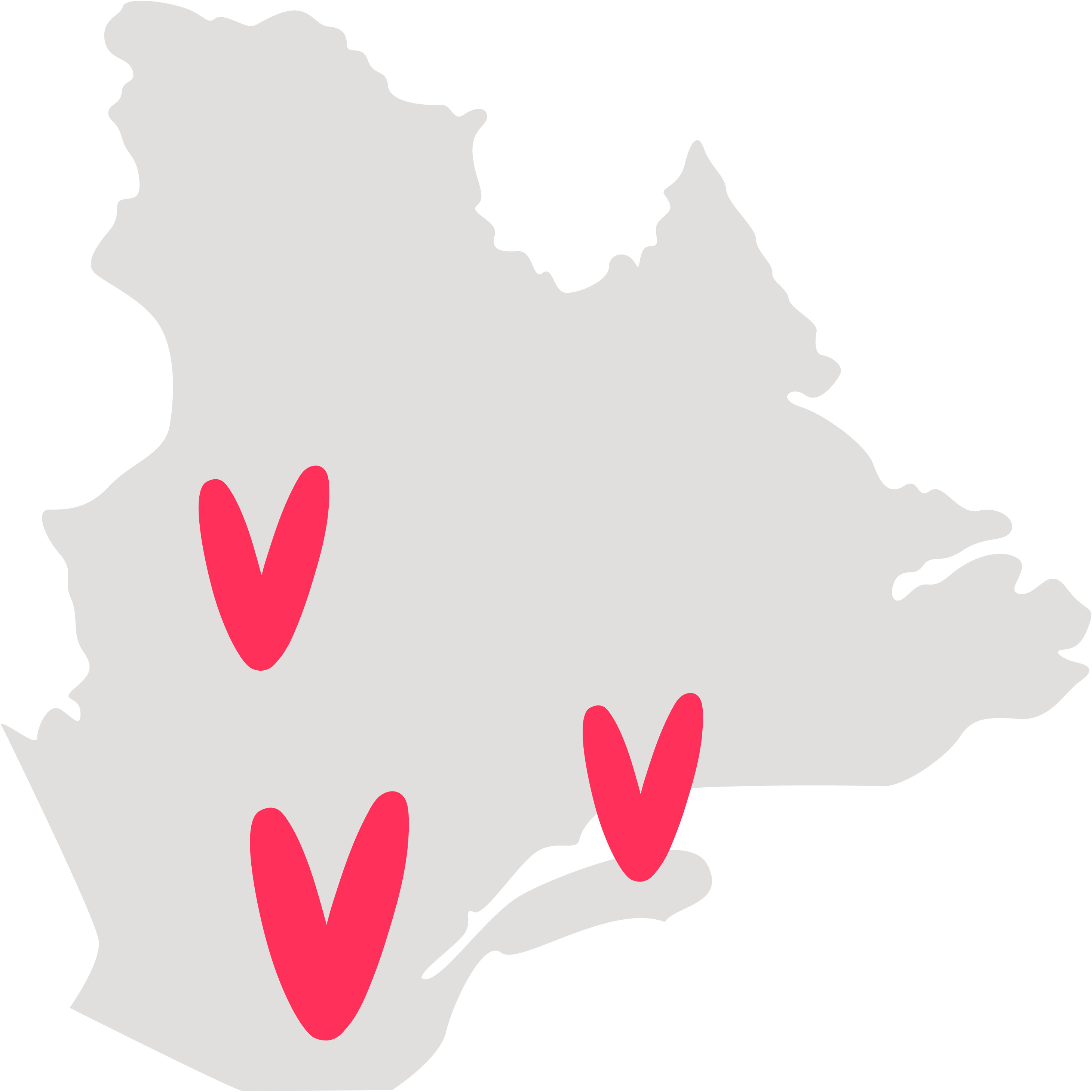
Our supported projects in Quebec
For more information
Right to adequate Housing Program
Jonathan Latreille-Chevalier
Program Manager, Quebec Grants and Partnerships
514 495-2424 poste 155
Environmental Justice Program
Ariane Kamdoum
Program Manager, Quebec Grants and Partnerships
514 495-2424 poste 127
For more information
Right to adequate Housing Program
Jonathan Latreille-Chevalier
Program Manager, Quebec Grants and Partnerships
514 495-2424 poste 155
Environmental Justice Program
Ariane Kamdoum
Program Manager, Quebec Grants and Partnerships
514 495-2424 poste 127





Jules and Paul-Émile Léger Foundation
© 2019-2025 The Léger Foundation. All rights reserved.